


Mastering Your Maintenance: The Expert Guide to Engine Oil Records
Why Real Service Records Matter in the Modern EraLet me tell you about a conversation
Table of Contents
- The Exact Paper Trail You Need to Keep for Warranty Protection
- How Digital Logs and Dealer Databases Simplify Your Maintenance Tracking
- Deciding Between DIY Documentation and Professional Service Receipts
- How Organized Oil Change Records Maximize Your Resale Value
- Setting Up Your Foolproof Vehicle Maintenance Binder
The Exact Paper Trail You Need to Keep for Warranty Protection
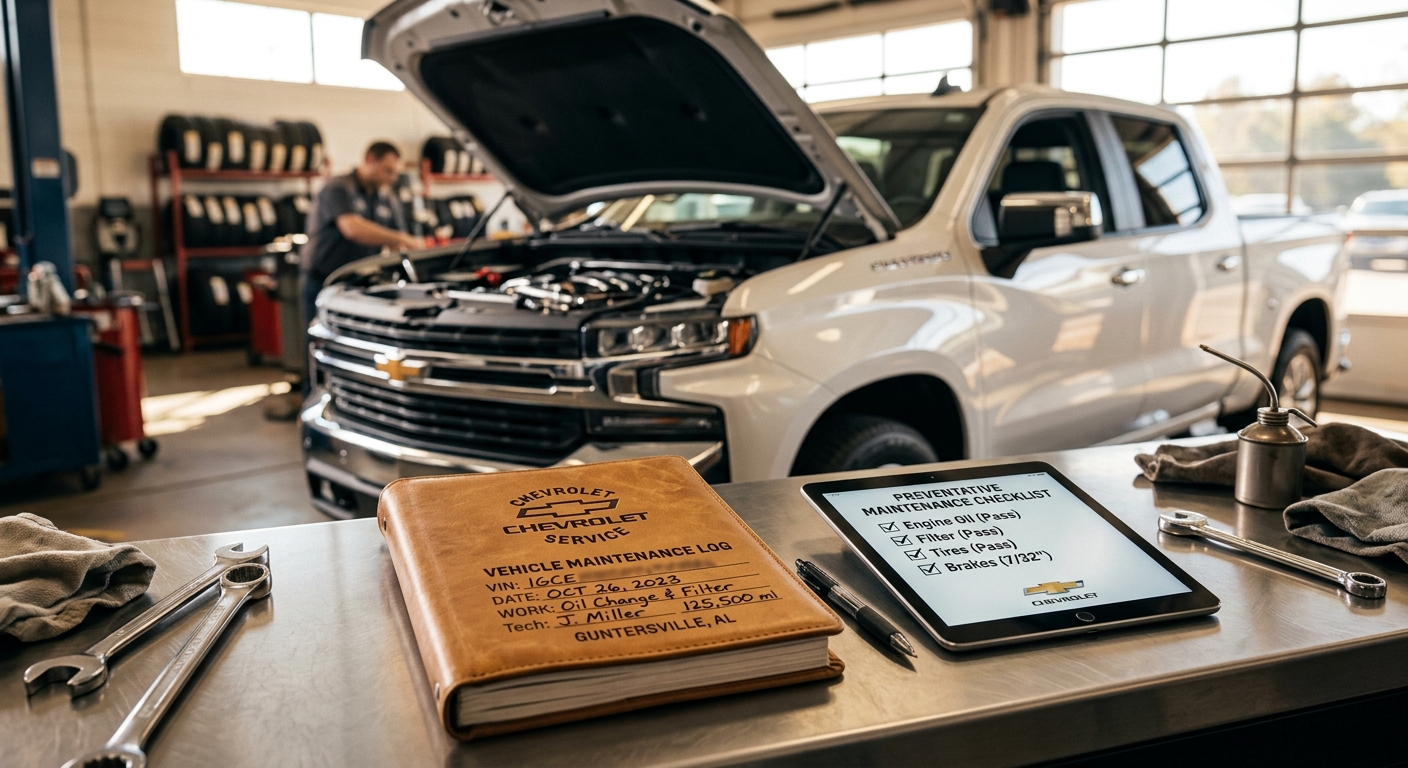
One of the first things I explain to new owners is that a powertrain warranty is essentially a contract. The manufacturer promises to cover major engine components, but that promise relies on you performing the required maintenance. To protect yourself, you need more than just a handwritten note in a ledger. A “complete record” for warranty purposes should include the date of service, the exact odometer reading, and a detailed line item for the oil viscosity used, such as 5W-30 or 0W-20. If you are buying from our inventory of pre-owned cars, we always recommend starting your own folder from day one to maintain that continuity.
I have seen warranty claims get complicated simply because a receipt was too vague. If a receipt just says “Oil Change,” it doesn’t prove that the shop used the full synthetic oil required by your specific engine. Ensure your documentation specifies the brand and grade of the oil and the type of oil filter installed. This level of detail is what factory inspectors look for if they ever need to verify that the engine was properly lubricated. It is all about removing doubt. When you have a clear, chronological history, there is no room for a manufacturer to question your commitment to the vehicle’s health.
For those who are currently managing their vehicle’s long-term value, staying on top of these details is just as important as the initial purchase. If you are planning your next move, you can prequalify for financing online to see how a well-maintained trade-in affects your buying power. We are always happy to show you how we document these services in person; you can check our current showroom and service hours to find a time that works for your schedule. Keeping a foolproof file now prevents a massive headache three or four years down the road.
How Digital Logs and Dealer Databases Simplify Your Maintenance Tracking
Working with families who have busy schedules, I’ve noticed that physical receipts often end up lost in a glovebox or a kitchen drawer. This is where digital tracking becomes a lifesaver. When you have your oil changed at a certified dealership, the service is typically recorded in a national database linked to your Vehicle Identification Number (VIN). This means that even if you lose your paperwork, any authorized dealer in the country can see that you’ve been taking care of your engine. This is a huge advantage for commuters in Rainbow City who might need to stop for service while away from their home base.
Beyond just the engine oil, these digital logs track other vital components that affect your engine’s performance. For instance, we often monitor the condition of your tires and air filters during the same visit. If you are looking to keep your vehicle in peak shape, you can browse our tire center to see how integrated maintenance keeps your car running efficiently. These records show a holistic approach to vehicle care, which looks great to future buyers. You can even see examples of how we present these clear histories by visiting our main website to explore our service philosophies.
I always suggest that owners also use a mobile app, like the MyChevrolet app, to sync their service records. This allows you to upload photos of receipts if you ever have to use an independent shop in an emergency. It keeps everything in one place and provides a backup to the dealer’s database. If you are looking to upgrade to a vehicle with these built-in tech features, you can start the process by submitting a credit application to see what options are available for a new, tech-forward model.
Deciding Between DIY Documentation and Professional Service Receipts
Many of our customers wonder if they can still save money by doing their own oil changes without hurting their vehicle’s standing. The answer is yes, but the “record-keeping” bar is much higher for a DIY oil change. If you do the work yourself, a simple log entry isn’t enough for a warranty or a high-value resale. You need to save the actual receipts for the oil and the filter you purchased. I recommend stapling the receipt to a piece of paper where you’ve written the date and mileage of the change. This proves that the materials were bought and, presumably, used on that specific vehicle.
From my experience, the biggest risk with DIY work isn’t the mechanical part—it’s the lack of a third-party “witness” to the service. When a professional shop handles the job, the receipt acts as an affidavit of the work performed. If you are a hands-on owner, you might prefer to spend your time on personalizing your vehicle instead. You can order genuine accessories online to handle the fun upgrades yourself while letting us handle the oily, documented maintenance. This gives you the best of both worlds: a customized ride and a professional service history.
If you are on the fence about whether to take the DIY route or stick with professional service, it often helps to see what other local owners have chosen. You can read through our customer reviews to see why many of your neighbors prefer the peace of mind that comes with a professional stamp in their maintenance book. For those looking to manage the costs of professional care, we offer various paths to keep things affordable. You can explore our financing department to learn more about how we work with customers to keep their vehicles—and their budgets—running smoothly.
How Organized Oil Change Records Maximize Your Resale Value
Here is what I usually walk a customer through when they are ready to trade in their old vehicle: the “Value Gap.” Two identical trucks can come onto our lot, but the one with a complete, organized folder of oil change receipts will almost always command a higher price. Why? Because it removes the “sludge factor.” When we see that a vehicle has had regular synthetic oil changes, we know the internal components have been protected from friction and heat. This confidence allows us to offer more when you estimate your vehicle’s trade-in value.
Neglecting these records can actually be a “red flag” for savvy buyers and appraisers. If there is a 20,000-mile gap in the records, we have to assume the worst—that the oil broke down, turned into sludge, and potentially damaged the oil pump or bearings. Even if the engine feels fine today, that lack of proof suggests a higher risk of future failure. To keep your engine in that “top-tier” value bracket, always use high-quality parts. You can order factory-certified parts through our site to ensure you are always using the right components.
Furthermore, using genuine parts often comes with its own set of protections that add to the car’s value. For example, you can review our parts warranty details to see how professional-grade components carry their own “mini-warranty” that can be passed along to the next owner. In a rural town like Rainsville, where vehicles are often kept for a long time and used for heavy tasks, this documented “over-maintenance” is a major selling point. It proves the truck wasn’t just driven; it was cared for.
Setting Up Your Foolproof Vehicle Maintenance Binder
I want to share some insights about the best way to physically store your records. While digital is great, a physical “Vehicle Identity Binder” is still the gold standard for many collectors and high-end buyers. Start with a simple three-ring binder. Use clear plastic sleeves to hold receipts so the ink doesn’t fade over time—thermal paper receipts from parts stores are notorious for disappearing if they get too warm. Organize them chronologically, and include a “cheat sheet” at the front that lists your engine type, required oil capacity, and the specific viscosity recommended in your owner’s manual.
This binder becomes a living history of your vehicle, whether you’re driving a new Silverado 1500 or a family-ready Chevrolet Traverse. If you are looking for something even more specialized, like the all-electric Silverado EV, your records will look a little different—focusing more on software updates and battery health—but the principle of organized documentation remains the same. Having this binder ready to hand over to the next owner is the ultimate sign of a responsible driver.
If you are just starting your journey with a new vehicle, we have a wide range of options to fit every need. From the compact new Trax and Trailblazer to the massive Suburban and Tahoe, every model benefits from a dedicated maintenance file. For our business owners, keeping these records for commercial trucks or a Silverado 3500 Chassis Cab is also a vital part of tax documentation and fleet management. Whether you’re interested in a new Colorado, a high-performance Corvette, or a versatile Equinox, our team is here to help you start that record-keeping on the right foot. Stop by and see us, or give our team a quick call to get your maintenance plan started today.
0 comment(s) so far on Mastering Your Maintenance: The Expert Guide to Engine Oil Records