


Why Synthetic Oil is the Ultimate Choice for Your Chevrolet Engine
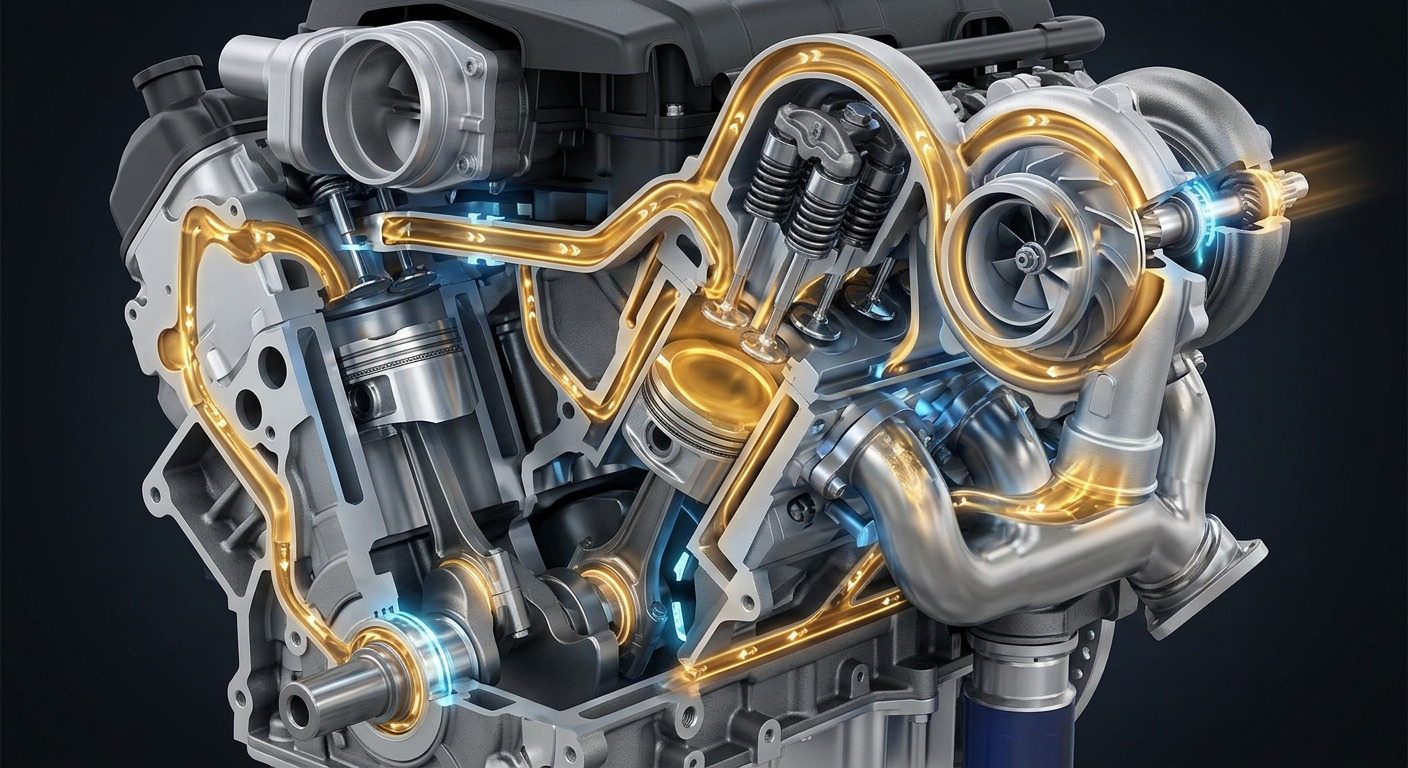
Why Modern Chevrolet Engines Rely on Advanced Engine Oil Maintenance
If you are currently driving an older vehicle and thinking about upgrading to a highly efficient new model, keeping up with routine maintenance also helps preserve your current vehicle’s trade-in value. We make it simple to explore your options, and you can browse our current Chevrolet special offers online to see our latest opportunities. For any questions about recommended maintenance intervals or to speak directly with our service department, please give our team a quick call. If you prefer to speak with our advisors in person, you can easily find directions to our dealership showroom located right on the main highway.
Table of Contents
- Does Synthetic Oil Last Longer Between Changes in Your Chevy
- Understanding Oil Viscosity and GM dexos Specifications
- The True Cost of Neglecting Your Engine Oil Life
- Comparing Professional Chevrolet Service with DIY Oil Changes
- How Driving Habits Impact Your Oil Change Schedule
Does Synthetic Oil Last Longer Between Changes in Your Chevy
A question our service advisors hear constantly is whether switching to synthetic oil actually extends the time allowed between scheduled maintenance visits. The short answer is yes: synthetic oil is specifically engineered to resist thermal breakdown and maintain its lubricating properties significantly longer than conventional alternatives. While traditional conventional oil typically requires replacement every 3,000 to 5,000 miles, a high-quality full synthetic lubricant can safely protect your engine for 7,500 miles or more under normal driving conditions.
This extended lifespan is due to the uniform molecular structure of synthetic oil, which is highly customized during the manufacturing process to eliminate impurities. Conventional oils contain inconsistent molecular sizes that break down rapidly under high heat, leading to friction and sludge accumulation. Synthetic formulations include advanced additives, such as specialized detergents and robust anti-wear agents, which keep the internal engine environment clean. For local outdoor enthusiasts who frequently tow heavy gear to the waterfront in Guntersville, this extra thermal protection is crucial for preventing engine wear during demanding summer drives.
Choosing a vehicle designed for modern efficiency and longevity makes managing these service intervals even simpler. For example, the 2026 Chevrolet Colorado utilizes advanced powertrain technology that thrives on high-quality synthetic lubricants to deliver optimal performance. If you are interested in moving away from traditional oil changes altogether, you might want to look into an all-electric model like the 2027 Chevrolet Bolt, which eliminates internal combustion maintenance entirely. Whichever path you choose, our dealership is proud to participate in initiatives like Chevy Cares to support our local community. If you are interested in a highly capable midsize truck, you can explore our inventory to find a new Chevrolet Colorado for sale, or look ahead to the future of electric driving by checking out the new Chevrolet Bolt.
Understanding Oil Viscosity and GM dexos Specifications
Understanding the numbers on an oil bottle is key to ensuring your powertrain receives the exact protection it requires. Viscosity ratings, such as SAE 5W-30 or SAE 0W-20, describe how easily the fluid flows at different temperatures. The first number, followed by the “W” (which stands for winter), indicates the oil’s flow characteristics in cold weather. A lower winter rating means the oil flows more quickly at startup, protecting vital components during those initial seconds when most engine wear occurs. The second number represents the oil’s viscosity at normal engine operating temperatures, ensuring the fluid remains thick enough to provide a protective barrier when hot.
Beyond simple viscosity ratings, General Motors establishes strict engineering standards known as the dexos specification. Modern Chevrolet gasoline engines require oils that meet the dexos1 Gen 3 standard, which has been specifically formulated to prevent low-speed pre-ignition and provide superior oxidation resistance. For diesel-powered vehicles, the manufacturer specifies dexosD synthetic diesel oil to handle the unique soot-loading and thermal demands of diesel combustion. Using an oil that lacks these specific certifications can compromise your engine’s efficiency and may even impact your factory warranty protection.
When dealing with heavy-duty work and high-capacity hauling, using the correct specification is non-negotiable. If you are operating a heavy-duty work truck, you can view our inventory to shop the new Chevrolet Silverado HD and see how these robust machines utilize advanced lubricants to maintain their massive towing capacities. For drivers seeking a versatile family vehicle, you can shop the new Chevrolet Blazer to find a stylish crossover built for daily driving. To see the full range of powertrain options and recommended specifications across our entire lineup, feel free to explore our virtual Chevrolet showroom.
The True Cost of Neglecting Your Engine Oil Life
Skipping or delaying your scheduled oil maintenance can have severe financial and mechanical consequences. As engine oil ages, it loses its ability to suspend contaminants and begins to oxidize, transforming into a thick, tar-like sludge. This sludge can clog the oil pump pickup screen, starving the upper valve train of lubrication and causing immediate, catastrophic metal-on-metal friction. Over time, dirty oil will also damage the delicate oil pump, leading to a loss of oil pressure that can cause the engine to seize entirely—a scenario that often requires a complete engine replacement.
Furthermore, old and contaminated oil can cause your check engine light to illuminate. This often happens because carbon deposits interfere with sensitive variable valve timing solenoids or oil pressure sensors. Neglecting maintenance also hurts your fuel economy, as the engine must work harder to overcome the internal friction of degraded oil. Regularly changing your oil is the easiest way to keep your vehicle running efficiently and avoid the massive expenses associated with major engine rebuilds.
For families who rely on a spacious vehicle for daily carpools and long road trips, keeping the engine healthy is a top priority. If you need maximum passenger space and robust capability, you can shop the new Chevrolet Suburban to find a full-size SUV designed to handle heavy cargo and long commutes with ease. If you prefer to transition away from traditional combustion engines and oil maintenance altogether, you can explore our electric vehicle options, such as the new Chevy Blazer EV, or browse our inventory to shop the new Chevrolet Bolt EUV.
Comparing Professional Chevrolet Service with DIY Oil Changes
Taking on a do-it-yourself oil change in the driveway can feel like a satisfying weekend project, but it comes with several challenges and hidden risks. Performing this service at home requires purchasing specialized tools, finding a safe way to elevate the vehicle, and handling the messy task of transporting and recycling the used oil and filter. Furthermore, a simple mistake—such as stripping the oil pan drain plug threads, over-tightening the oil filter, or using the wrong fluid viscosity—can lead to costly leaks or severe internal engine damage.
When you bring your vehicle to our certified service center, you receive far more than just a quick fluid swap. Our factory-trained technicians perform a comprehensive multi-point inspection, checking fluid levels, brake wear, tire condition, and battery health to catch minor issues before they turn into major repairs. We use genuine OEM parts and the exact oil specifications recommended by the factory, ensuring your vehicle remains compliant with its original warranty guidelines.
This professional care is especially valuable for keeping your family’s primary vehicle in peak operating condition. If you are looking for a highly capable, three-row family SUV, you can shop our new BrightDrop inventory for commercial needs, or look at our passenger options to shop the new Chevrolet Tahoe. For those seeking a highly efficient and modern compact crossover for the daily commute, you can also shop the new Chevrolet Equinox, which starts at $33,600 and offers an EPA-estimated 26 city / 29 hwy mpg to keep your travel costs low.
How Driving Habits Impact Your Oil Change Schedule
Your daily driving patterns play a major role in determining how quickly your engine oil degrades. Many drivers do not realize that short trips—defined as drives under ten miles—are actually considered severe operating conditions. During short commutes, such as driving to local schools or shops in Albertville, the engine does not have enough time to reach its full operating temperature. This prevents the oil from getting hot enough to burn off water vapor and raw fuel condensation, leading to rapid oil dilution and accelerated sludge formation.
Other severe driving habits that require more frequent oil changes include:
- Frequent towing or hauling heavy payloads
- Prolonged idling in heavy traffic or construction zones
- Driving in dusty, sandy, or muddy off-road environments
- Continuous driving in extreme seasonal temperatures
If your daily routine involves these demanding conditions, we recommend shortening your oil change interval to approximately 5,000 miles to ensure your engine remains fully protected.
Our service team is always here to help you determine the ideal maintenance schedule for your specific driving habits. If you have any questions about your vehicle’s oil life monitor or need to book an appointment, please give our service advisors a call. For drivers interested in experiencing the latest in automotive technology and alternative powertrains, you can also schedule an EV test drive online. When you are ready to visit us for maintenance or a test drive, you can easily get directions to our dealership and let our team assist you with all of your automotive needs.
0 comment(s) so far on Why Synthetic Oil is the Ultimate Choice for Your Chevrolet Engine