


What You Need to Do Right After Buying a Used Car: An Expert’s Guide
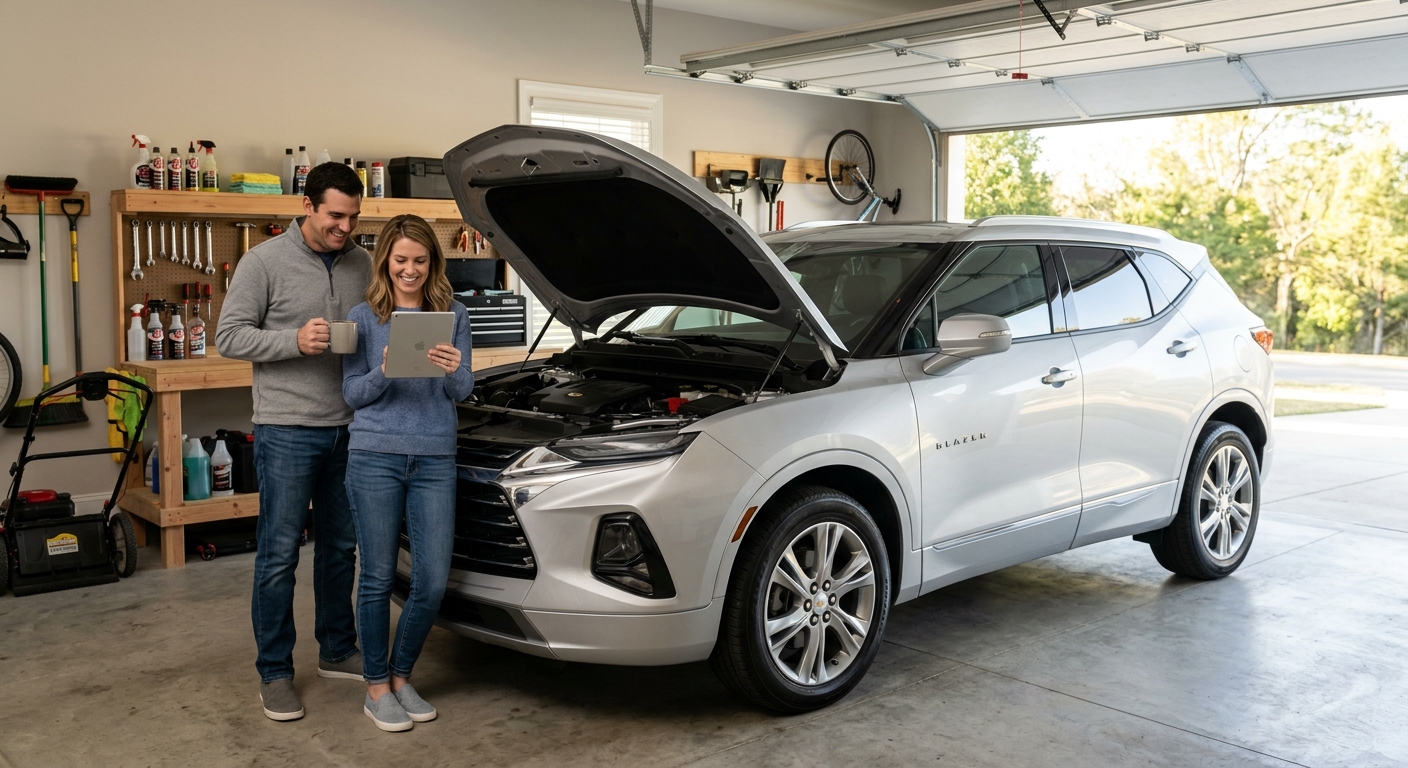
Essential Steps to Take Right After Buying a Used Car
Table of Contents
- How to Check Your Used Vehicle for Open Safety Recalls
- Establishing a Reliable Maintenance Baseline for Your Used Chevrolet
- Verifying Your Advanced Safety Systems and Cabin Electronics
- Protecting Your Investment and Understanding Ownership Economics
- Partnering with Chevrolet for Long-Term Roadside Peace of Mind
How to Check Your Used Vehicle for Open Safety Recalls
Checking for outstanding manufacturer safety recalls is a critical task that many buyers overlook during the excitement of acquiring a pre-owned car. When local owners bring a pre-owned vehicle to our service department, one of the first questions they ask is how to verify if there are any outstanding safety recalls left unresolved by the previous owner. To perform this check, you will need to locate your vehicle’s unique 17-digit Vehicle Identification Number, commonly referred to as the VIN. This number is typically stamped on the driver’s side dashboard near the windshield or printed on the safety certification label inside the driver’s door jamb.
Once you have located the VIN, you can input it directly into the official NHTSA recall lookup tool or the manufacturer’s owner portal to view any active safety campaigns. If an open recall is present, the vehicle manufacturer is legally responsible for covering the full cost of all required repairs, parts, and labor at an authorized dealership. There is no official expiration date on these safety campaigns, and manufacturers must perform the repairs free of charge, provided the vehicle is within 15 years of its original purchase date.
It is important to realize that while federal law strictly prohibits dealerships from selling new vehicles with open recalls, there is no federal restriction preventing the sale of used cars with active recalls. This regulatory difference means the responsibility often falls on the buyer to verify the vehicle’s recall status post-purchase. Our team is committed to transparency, and you can learn more about our dealership philosophy regarding vehicle safety, or read customer reviews from local drivers who have trusted us with their purchases. If your inspection reveals that your tires are worn or unevenly aged, you can browse options at our tire center to ensure your vehicle remains safe on the road.
Establishing a Reliable Maintenance Baseline for Your Used Chevrolet
Have you ever wondered what actual maintenance schedule you should follow once a used car is parked in your driveway? Establishing a reliable maintenance baseline means resetting the clock on all high-priority wear items so you know exactly when your vehicle was last serviced. For most pre-owned Chevrolet models, we recommend performing an immediate oil and filter service using full-synthetic oil at an interval of approximately 5,000 miles, especially if the oil-life monitor is showing less than 10% remaining. Additionally, scheduling a tire rotation at intervals of 7,500 miles to 15,000 miles helps ensure even tread wear and extends the lifespan of your tires.
Other vital fluids require periodic replacement to protect heavy mechanical components from premature wear. We typically recommend replacing the brake fluid every 2 years and refreshing the transmission fluid every 30,000 to 60,000 miles, though severe driving conditions like heavy towing may require shorter intervals. Engine coolant should generally be replaced at 5 years or 100,000 miles to maintain optimal thermal management and prevent corrosion within the radiator and heater core.
Commuters driving daily across the Sand Mountain plateau from Albertville often put their vehicles through severe-service conditions, making these fluid intervals even more critical. If you drive a pre-owned Chevrolet Silverado 1500, Traverse, or Equinox, our technicians will specifically check the fluid condition, battery health, brakes, hoses, and belts for any signs of wear. You can easily book an inspection by scheduling a visit through our online service scheduler, and be sure to check our current incentives and special offers to save on your next visit. All of our qualifying service tasks and replacements are backed by a comprehensive parts warranty for your peace of mind.
Engine & Performance
Powertrain specs by trim
| Feature | ACTIV | LT | RS |
|---|---|---|---|
| Engine | 1.5L | 1.5L | 1.5L |
| Horsepower | 175 hp | 175 hp | 175 hp |
| Torque | 184 lb-ft | 184 lb-ft | 184 lb-ft |
| Transmission | CVT | CVT | CVT |
| Drivetrain | Front-wheel drive | Front-wheel drive | Front-wheel drive |
Verifying Your Advanced Safety Systems and Cabin Electronics
Modern vehicle ownership involves managing a sophisticated suite of digital and mechanical safety systems. When evaluating your vehicle’s safety systems, start by verifying that no warning lights remain illuminated on the dashboard after starting the engine. During a test drive, pay close attention to how active driver assistance features like lane-keep assist, blind-spot monitoring, and forward collision alert behave. These systems rely on cameras and radar sensors mounted behind the windshield and bumpers, which must be kept clean and properly calibrated to function as intended.
Cabin electronics and comfort features also deserve a thorough evaluation to ensure a pleasant daily drive. To test the air conditioning system, turn the temperature control to its maximum cold setting and confirm that it blows cold air within a few minutes while listening for any unusual compressor noises under the hood. You should also verify that air flows correctly through all vents and that the cabin air filter is clean and free of debris.
While testing the interior electronics, keep an eye out for any subtle physical signs of structural or frame damage, such as uneven gaps between body panels or doors that do not close flush. If you notice the steering pulling persistently to one side even after a fresh wheel alignment, it could indicate underlying suspension or structural issues that require professional attention. If you want to customize your cabin or upgrade your vehicle’s utility, consider customizing your ride through our online accessories catalog, or you can always meet our team of specialists to discuss your options. Once you have experienced our customer service, we encourage you to leave us a review to share your feedback.
Protecting Your Investment and Understanding Ownership Economics
A common misconception among used car buyers is that the purchase price is the final factor in their overall transportation budget. Understanding the ongoing economics of vehicle ownership is essential for protecting your investment over the long haul. While buying a pre-owned vehicle helps you avoid the sharp initial depreciation curve associated with a new car, you must still budget for routine maintenance, insurance, and wear items. For example, comparing a used model to a new vehicle like the 2026 Chevrolet Equinox can put these costs into perspective. The Equinox LT trim starts at $28,800 MSRP, while the sportier RS and rugged ACTIV trims both start at $33,600 MSRP, with a standard destination charge of $1,995.
This compact SUV features an efficient 1.5L engine paired with a smooth CVT transmission, delivering an EPA-estimated 26 city / 29 hwy MPG. It provides comfortable seating for 5 passengers, about 30 cubic feet of cargo capacity behind the second row, and a maximum towing capacity of 1,500 lbs. If you require more space and utility, a larger family SUV like the 2026 Chevrolet Traverse offers a robust 2.5L engine, an 8-speed automatic transmission, an EPA-estimated 20 city / 26 hwy MPG, and a towing capacity of 5,000 lbs to handle larger loads.
Keeping these specifications in mind helps you plan for the specific maintenance needs of your vehicle, whether you are replacing filters or ordering genuine components directly from our parts department. Beyond standard vehicle care, our dealership is proud to support the local community through our ongoing support for breast cancer awareness campaigns and our commitment to the community through the Chevy Cares initiative. Taking a proactive approach to ownership ensures your vehicle remains reliable while keeping your long-term operating costs highly predictable.
Pricing
Pricing by trim
| Feature | ACTIV | LT | RS |
|---|---|---|---|
| Base MSRP | $33,600 | $28,800 | $33,600 |
| Destination charge | $1,995 | $1,995 | $1,995 |
Partnering with Chevrolet for Long-Term Roadside Peace of Mind
Even the most meticulously maintained used vehicle can occasionally encounter an unexpected issue on the road. When unexpected challenges arise, having access to professional, manufacturer-backed emergency support makes all the difference. The official Chevrolet Roadside Assistance program offers comprehensive coverage, including towing to the nearest authorized service center, flat tire changes, battery jump-starts, lockout assistance, and emergency fuel delivery. This program ensures that your vehicle is always handled by technicians who possess brand-specific expertise and use only genuine OEM parts to maintain your warranty protection.
If you ever find yourself in need of immediate assistance on the road, you can reach out directly by calling the official hotline at Chevrolet Roadside Assistance: 1-800-243-8872. Our service team is always ready to coordinate with roadside operators to receive your vehicle and expedite any necessary repairs. If you are planning your next trip or considering upgrading to a different vehicle, finding your way to our physical showroom or giving our service advisors a quick call is the best way to keep your vehicle running smoothly.
When you are ready to transition to your next vehicle, our team can guide you through the entire process to ensure a seamless experience. Before you make your next move, you can easily estimate your trade-in value online to see how much equity you can carry forward. By partnering with our dedicated service and sales professionals, you can enjoy the full benefits of vehicle ownership with complete confidence.
0 comment(s) so far on What You Need to Do Right After Buying a Used Car: An Expert’s Guide