


Understanding Why Changing Your Engine Oil is Critical for Performance
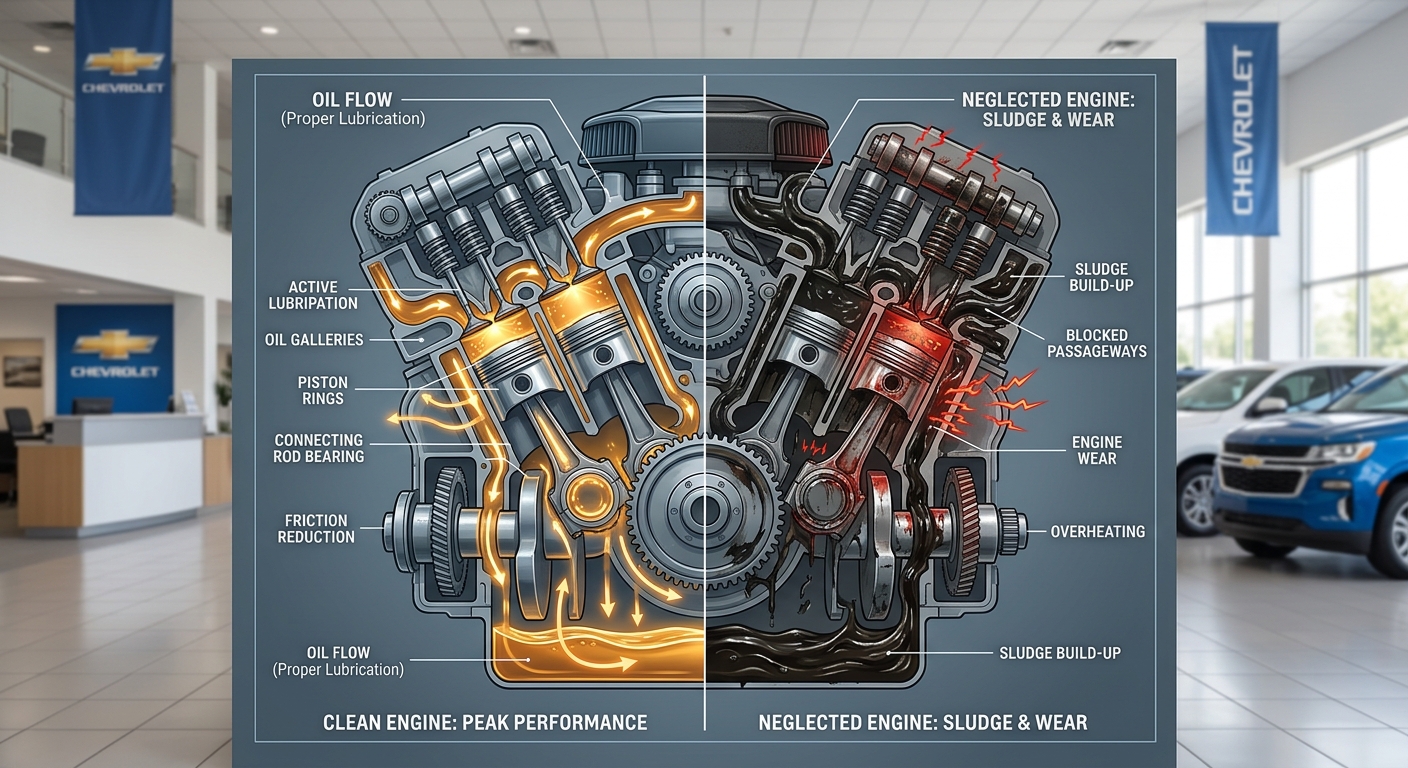
Understanding Why Changing Your Engine Oil is Critical for Performance
Operating a vehicle with old or depleted lubricant is one of the quickest ways to compromise its powertrain. Many drivers wonder why regular maintenance is so heavily emphasized by automotive manufacturers. The reality is that your engine is a complex assembly of rapidly moving metal parts that operate under extreme heat and pressure. Without a clean, protective barrier, these components would grind against each other, generating destructive friction and heat that can quickly destroy internal structures. Keeping up with scheduled maintenance ensures that your vehicle runs efficiently, preserves its fuel economy, and avoids costly mechanical failures.
While older vehicles running conventional oil typically require oil changes every 3,000 to 5,000 miles, modern engineering has changed the landscape [3][6]. Most modern vehicles using full synthetic oil have manufacturer-recommended oil change intervals of approximately 7,500 to 10,000 miles under normal driving conditions, completely debunking the outdated 3,000-mile rule [1][8]. For example, many 2025 Toyota models specify an oil change interval of 10,000 miles or once per year when using synthetic oil [1]. This demonstrates that annual synthetic service is highly effective for a wide range of modern gasoline-powered vehicles under standard operating conditions [1].
To take the guesswork out of maintenance, modern vehicles feature built-in oil-life monitoring systems. These advanced systems calculate change intervals by tracking real-time operational factors such as operating temperature, engine load, idle duration, and individual driving habits [8]. This sophisticated tracking allows modern vehicles to safely extend their oil change intervals to 7,500, 10,000, or even 15,000 miles depending on the oil type and how the vehicle is driven [8]. However, if your daily driving involves towing heavy loads, frequent short trips where the engine never fully warms up, or driving in dusty conditions, your vehicle may require shorter intervals of 5,000 to 7,500 miles to keep the internal components fully protected [3].
When you need professional maintenance or a comprehensive multi-point inspection, our certified technicians are ready to assist. You can easily use our online service scheduler to book a convenient time for your next maintenance visit. If you are planning to drop by our dealership, you can find our physical location using our maps and directions page. For any quick questions regarding recommended oil types, scheduling, or estimated service times, feel free to give our service department a quick call to speak directly with an advisor.
Table of Contents
- The Four Critical Functions of Engine Oil and How It Protects Internal Components
- Synthetic vs Conventional and Deciphering Viscosity Ratings for Local Commutes
- The True Cost of Neglect and What Happens When You Skip Scheduled Service
- Recognizing the Warning Signs of Low or Degraded Lubrication in Your Vehicle
- Common Questions About Engine Oil Maintenance and Service Intervals
- Schedule Your Next Professional Maintenance Service
The Four Critical Functions of Engine Oil and How It Protects Internal Components
What does engine oil actually do once it is pumped through your engine? While lubrication is its most famous job, clean oil actually performs four critical tasks simultaneously to keep your powertrain healthy:
- Lubrication: It creates a micro-thin hydraulic barrier between moving metal parts, such as pistons, crankshafts, and camshafts, preventing direct metal-on-metal contact.
- Cooling: It absorbs intense heat from the combustion chamber and moving parts, carrying it away to the oil pan or an external cooler to prevent localized overheating.
- Cleaning: It suspends carbon soot, dirt, and tiny metallic wear particles, carrying them to the oil filter so they do not settle and form thick, restrictive sludge.
- Sealing: It fills the microscopic gaps between the piston rings and cylinder walls, ensuring maximum combustion pressure is maintained for optimal power.
The cooling function of engine oil is particularly important. While your radiator and liquid coolant manage the upper portions of the engine block and cylinder head, the oil is responsible for cooling the lower engine components, such as the crankshaft, main bearings, and pistons. As the oil circulates, it absorbs heat from these high-friction zones and releases it as it passes through the oil pan. Without this constant heat transfer, critical internal components would expand rapidly from thermal stress, leading to warped parts or a catastrophic engine seizure.
Over time, the detergents, dispersants, and anti-wear additives like zinc and phosphorus in your oil naturally deplete. When this happens, the oil can no longer suspend contaminants or protect metal surfaces under high loads. For those who prefer to manage their own basic maintenance or need specific replacement parts, using genuine OEM components is essential for maintaining your vehicle’s factory warranty. You can order original filters and maintenance fluids directly through our online parts ordering page. Additionally, all genuine GM parts are backed by a comprehensive manufacturer warranty, which you can review in detail on our auto parts warranty page. If your tires also need attention during your next service visit, you can browse and shop new tires online to find the perfect set for your vehicle.
Synthetic vs Conventional and Deciphering Viscosity Ratings for Local Commutes
Are you confused by the letters and numbers printed on oil bottles? Understanding oil viscosity is key to choosing the right protection for your driving habits. Viscosity refers to a fluid’s resistance to flow at specific temperatures. For example, in a multi-grade oil rating like 5W-30 or 0W-30, the first number followed by the “W” (which stands for Winter) indicates how easily the oil flows in cold temperatures. A lower winter viscosity number means the oil flows more rapidly during cold starts, which is when the vast majority of engine wear occurs. The second number indicates the oil’s viscosity at the engine’s normal operating temperature, ensuring the fluid remains thick enough to protect components when hot.
Choosing between synthetic and conventional oil depends heavily on your vehicle’s technology and your daily driving patterns. Synthetic oil is highly engineered, featuring uniform molecular structures and advanced chemical additives that resist thermal breakdown far better than conventional oil. It remains fluid at sub-zero temperatures and resists thinning out under extreme heat. Conventional oil, derived directly from refined crude oil, is suitable for older, low-stress engines but breaks down much faster under modern turbocharged heat and high-rpm loads. Synthetic-blend oils offer a middle ground, combining refined conventional bases with synthetic stocks to provide enhanced protection at a lower cost than full synthetics [3][6].
For families navigating daily commutes in the rolling hills around Albertville, choosing the correct synthetic viscosity is crucial. The suburban driving patterns in this area—often involving frequent stop-and-go trips to local parks and schools—place unique thermal stresses on an engine. Synthetic oils are highly recommended for these environments because they prevent deposit buildup during short trips where the engine rarely reaches its optimal operating temperature. If you are driving an older, high-mileage vehicle, switching to a high-mileage synthetic blend can help preserve aging seals and prevent oil consumption.
If you are currently driving a vehicle that requires frequent oil additions or is showing signs of aging, it might be the perfect time to explore an upgrade. You can browse our diverse selection of high-quality, fully inspected used vehicles online to find a highly reliable car, truck, or SUV. If you want to customize your current vehicle with practical upgrades like all-weather floor liners, cargo organizers, or roof racks, you can check out our official accessories ordering page. We always strive to provide a transparent, stress-free experience for our guests, and we invite you to read customer testimonials to see how we serve drivers throughout the region.
The True Cost of Neglect and What Happens When You Skip Scheduled Service
Neglecting your scheduled oil maintenance can lead to a rapid downward spiral in engine health. When oil is left in an engine past its recommended lifespan, the combination of heat, oxygen, and combustion byproducts causes the fluid to oxidize. This oxidation process transforms the liquid lubricant into a thick, black, tar-like substance known as engine sludge. Sludge settles in the oil pan and begins to clog critical passages, including the oil pump pickup screen. When the pickup screen is restricted, the oil pump cannot circulate lubricant to the upper valve train, resulting in immediate, severe metal-on-metal wear.
In extreme cases of neglect, the lack of lubrication and extreme heat will cause the engine to seize. An engine seizure occurs when the pistons friction-weld themselves to the cylinder walls, or the connecting rod bearings melt and lock onto the crankshaft. Once an engine seizes, it cannot be simply repaired; it typically requires a complete engine replacement or an incredibly expensive rebuild. This catastrophic failure is entirely preventable through simple, routine maintenance that costs a fraction of the price of a replacement engine.
Furthermore, running old, dirty oil can directly trigger diagnostic trouble codes and illuminate your dashboard lights. While degraded oil might not trigger a direct low-pressure warning immediately, it frequently interferes with modern engine systems like Variable Valve Timing (VVT). VVT systems rely on precise hydraulic oil pressure to adjust camshaft timing on the fly. When thick, contaminated oil or sludge enters these delicate control solenoids, they clog, causing the engine to run roughly, lose power, and illuminate the check engine light.
Preventing these costly issues is simple when you partner with our experienced team. If you are considering trading in your current vehicle for a fresh start, you can use our online tool to value your trade in just a few minutes. From there, you can easily apply for credit now using our secure online application to get pre-approved for your next purchase. For those interested in cutting-edge efficiency and eliminating engine oil maintenance altogether, we invite you to schedule an EV test drive and experience our impressive lineup of modern electric vehicles.
Recognizing the Warning Signs of Low or Degraded Lubrication in Your Vehicle
Drivers do not have to wait for a dashboard warning light to know when their vehicle needs attention. One of the simplest ways to monitor your engine’s health is by checking the dipstick. Fresh, healthy engine oil is typically amber in color and translucent on the dipstick [7]. As the oil does its job of cleaning the engine, it naturally darkens by holding carbon soot and combustion byproducts in suspension [7]. However, if the oil on the dipstick appears pitch black, thick, and feels gritty or abrasive when rubbed between your fingers, it is heavily saturated with contaminants and is overdue for a change [7].
There are several other clear warning signs that indicate your engine is running on low or severely degraded oil:
- Increased Engine Noise: Without a proper lubricating barrier, you may hear a persistent ticking, tapping, or metallic knocking sound from the engine bay.
- Acrid Burned Smell: A strong, burnt oil odor inside or outside the cabin—especially when checking the dipstick—indicates the oil is overheating or leaking onto hot exhaust components [7].
- Blue or Grey Exhaust Smoke: Seeing colored smoke exit the tailpipe suggests that worn seals are allowing oil to leak into the combustion chamber and burn [7].
- Low Oil Pressure Warning Light: An illuminated oil can symbol on your dashboard is an urgent warning that oil pressure has dropped to dangerous levels.
For drivers managing daily agricultural chores or hauling heavy trailers around the rural areas of Crossville, keeping a close eye on these warning signs is especially critical. Heavy-duty use, towing, and driving on dusty gravel roads accelerate oil contamination and thermal breakdown. Checking your oil level weekly ensures your engine remains protected under these high-demand conditions.
If you are looking for a highly capable vehicle that can handle demanding towing and hauling tasks with ease, we have an incredible selection of vehicles designed for the job. You can explore our lineup of heavy-duty trucks and shop new Chevrolet Silverado HD models, or check out the versatile light-duty options and shop new Chevrolet Silverado 1500 trucks. For families needing maximum passenger space and cargo capacity, you can shop new Chevrolet Tahoe models or explore our larger SUVs and shop new Chevrolet Suburban inventory. If you are looking for a highly maneuverable, fuel-efficient crossover for daily driving, you can also shop new Chevrolet Trax models today.
Common Questions About Engine Oil Maintenance and Service Intervals
Understanding the basics of oil maintenance helps you make informed decisions about your vehicle’s care. Here are some of the most common questions our service department receives from local drivers.
Q: What happens if I go slightly over my scheduled oil change mileage?
While exceeding your oil change interval by a few hundred miles is unlikely to cause immediate, catastrophic damage, it is highly recommended not to make it a habit. As oil ages past its limit, its protective additives deplete rapidly, leaving your engine vulnerable to accelerated wear, friction, and heat buildup.
Q: Does my driving style affect how often I need to change my oil?
Yes, driving habits play a major role. Short commutes where the engine doesn’t reach full operating temperature, frequent stop-and-go driving, heavy towing, and operating in dusty environments are classified as severe driving conditions. These conditions break down oil faster, requiring more frequent changes.
Q: Why does my engine oil turn black so quickly after a service?
Oil turning dark is actually a sign that the fluid is doing its job correctly. Modern engine oils contain advanced detergents designed to clean the engine’s internal surfaces by suspending carbon soot, dirt, and combustion byproducts, preventing them from forming harmful deposits.
Q: Can I switch from conventional oil to full synthetic oil?
Yes, you can safely switch to full synthetic oil in almost any modern vehicle. Synthetic oil offers superior protection, better thermal stability, and longer service intervals. Our service technicians can recommend the exact oil specification that matches your vehicle’s engine requirements.
Q: How often should I check my oil level between scheduled services?
It is highly recommended to check your engine oil level at least once a month, or before embarking on a long road trip. Even modern, healthy engines can consume a small amount of oil over time, and catching a low oil level early can prevent severe engine damage.
If you are planning to purchase a new or pre-owned vehicle and want to explore your financing options, our finance team is here to guide you through the entire process. You can easily apply for financing online to get pre-approved from the comfort of your home. To learn more about our commitment to our guests and our local community, we invite you to learn about us and discover what sets our dealership apart. Additionally, we are proud supporters of important community initiatives; you can learn about awareness programs and our local outreach efforts online.
Schedule Your Next Professional Maintenance Service
When it comes to preserving the longevity, performance, and resale value of your vehicle, staying on top of scheduled oil changes is the single most effective step you can take. While modern synthetic lubricants allow for longer intervals between services, neglecting this simple maintenance task can lead to engine sludge, reduced fuel economy, and ultimately, catastrophic engine failure. Our factory-trained, certified technicians have the specialized tools, diagnostic equipment, and genuine OEM parts required to keep your vehicle running at its absolute best.
At Guntersville Chevrolet, we make automotive care straightforward and stress-free. The Guntersville Advantage is a modern online car shopper built to fit into your busy lifestyle. You can use the Guntersville Advantage from your home computer, tablet, or smartphone and search for your next vehicle from the comfort of your couch. Whether you’re looking for a car, truck, or SUV, the Guntersville Advantage allows you to customize your car-buying journey, with all the steps available whenever and wherever you want.
If you are ready to experience professional, factory-backed maintenance, we invite you to schedule an appointment with our service team today. If you are also planning your next vehicle purchase, you can complete our secure online credit application to streamline your buying process before you even step foot in our showroom. For any questions about our services, parts availability, or scheduling, please give our team a quick call. When you are ready to visit us in person, you can easily find our dealership located at 11982 US, suite c, Guntersville, AL 35976 by using our directions page. We look forward to providing you with the exceptional service and care you deserve.
0 comment(s) so far on Understanding Why Changing Your Engine Oil is Critical for Performance