

Understanding the Vital Role of Engine Oil in Your Chevrolet
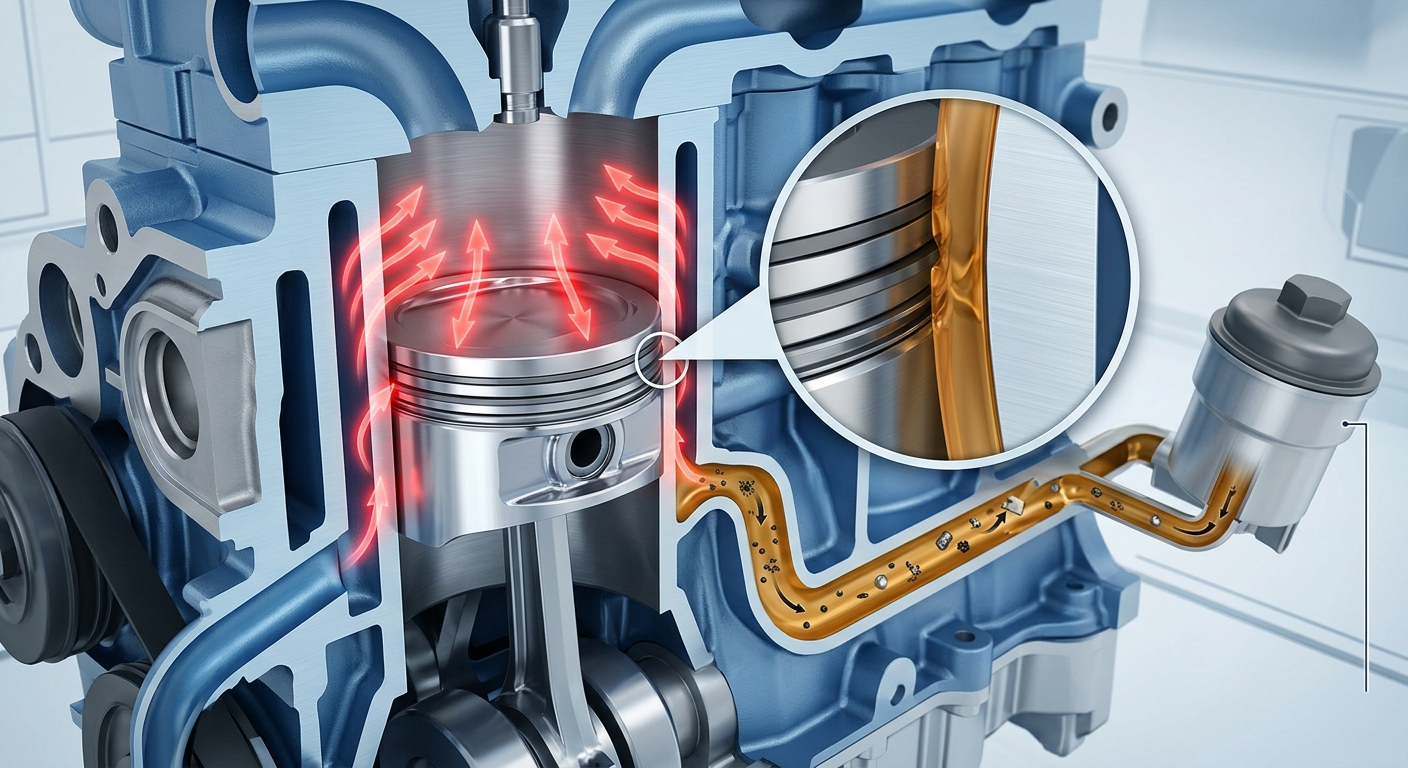
Engine oil functions as the primary protective barrier inside your powertrain, shielding critical metal components from extreme heat and friction. Within the closed environment of a modern engine, highly polished steel and aluminum parts spin and reciprocate thousands of times per minute. Without a thin, continuous film of lubricant separating these surfaces, the intense friction would generate enough thermal energy to weld moving parts together, resulting in a seized block.
Beyond reducing friction, high-quality motor oil performs several secondary tasks that are crucial to long-term reliability. It acts as a cooling agent, absorbing heat from areas like the piston crowns and cylinder walls before transferring it back down to the oil pan. The fluid also serves as a sweeping agent. Detergents and dispersants within the oil capture combustion byproducts, carbon soot, and microscopic metallic wear particles, carrying them directly to the oil filter to prevent abrasive buildup on bearing surfaces.
Over time, exposure to high operating temperatures, fuel dilution, and moisture causes engine oil to oxidize and break down. This chemical degradation diminishes the fluid’s shear strength and viscosity, rendering it unable to maintain a protective barrier. Neglecting this simple fluid barrier leads to accelerated wear, dropped fuel economy, and potential mechanical failure.
To keep your vehicle running at peak efficiency, our factory-trained technicians utilize advanced diagnostic tools and specialized equipment to handle routine upkeep. Drivers looking to maintain their vehicle’s health can easily book an appointment online using our convenient service scheduler. If you are planning your next maintenance visit, you can also explore our current service specials by viewing our latest Chevrolet promotional offers. For those who prefer to speak with our service advisors directly, feel free to give our team a quick call or stop by our physical location using detailed directions to our showroom.
Table of Contents
- What is the Difference Between Conventional and Synthetic Oil?
- How Severe Driving Conditions Impact Oil Life
- Recognizing the Warning Signs of Failing Engine Oil and Low Pressure
- The Risks of Neglect: What Happens When You Skip Your Oil Change?
- Expert Answers to Your Engine Maintenance Questions
- Schedule Professional Chevrolet Oil Service in Guntersville
What is the Difference Between Conventional and Synthetic Oil?
Understanding the physical and chemical distinctions between conventional and synthetic lubricants is key to selecting the correct protection for your powertrain. Conventional motor oil is refined directly from crude petroleum pumped from the ground. While the refining process removes many impurities, the resulting base fluid still contains inconsistent molecular structures, including wax compounds and volatile hydrocarbons that are prone to thermal breakdown. Under high thermal stress, these irregular molecules oxidize rapidly, forming thick varnish and sludge deposits.
In contrast, synthetic motor oil is engineered from scratch in a laboratory setting. Petrochemical engineers synthesize the base fluid from pure, uniform chemical compounds, creating a molecular structure where every single molecule is identical in size and shape. This high level of purity and uniformity provides superior shear stability, meaning the oil resists thinning out under extreme heat and pressure. Synthetic lubricants also feature a much higher viscosity index, allowing them to remain fluid and flow quickly at sub-zero temperatures while maintaining robust film strength at scorching highway operating temperatures.
| Performance Metric | Conventional Oil | Full Synthetic Oil |
|---|---|---|
| Base Source | Refined crude petroleum | Synthesized pure compounds |
| Molecular Uniformity | Low (irregular sizes) | High (identical sizes) |
| High-Temperature Stability | Moderate (prone to breakdown) | Excellent (resists oxidation) |
| Cold-Flow Capability | Poor (thickens in cold) | Outstanding (flows instantly) |
| Standard Service Life | 3,000 to 5,000 miles | 5,000 to 7,500 miles or more |
Many late-model engines, especially turbocharged or high-output powerplants, require specialized lubricants to protect sensitive components like variable valve timing actuators and turbocharger bearings. For instance, modern Chevrolet engines are designed specifically to run on proprietary dexos-approved synthetic oil, which meets strict performance standards for wear protection, aeration control, and resistance to low-speed pre-ignition. Utilizing conventional oil in an engine designed for synthetics can lead to rapid oil consumption, accelerated wear, and potentially voided powertrain warranties.
If you are researching which powertrain options and oil specifications match your driving habits, you can explore our complete Chevrolet lineup to compare technical specs. For those who require a highly capable, efficient midsize truck, you can look into the capabilities of the platform by checking out our inventory to shop the new Chevrolet Colorado. Additionally, businesses looking to transition to highly efficient, zero-emission commercial operations can view our heavy-duty electric fleet options and shop our new BrightDrop 400 inventory.
How Severe Driving Conditions Impact Oil Life
Many drivers assume that normal driving consists of their daily commute, but standard automotive industry definitions categorize most everyday driving habits as severe. Operating conditions dictate how quickly motor oil degrades and loses its protective additives. When an engine is subjected to severe duty, the oil must be replaced at shorter intervals to prevent the accumulation of harmful acids and moisture.
Understanding what constitutes severe driving is essential for maintaining proper engine health:
- Short Trips: Driving less than 10 miles per trip prevents the engine from reaching its optimal operating temperature, allowing condensation and raw fuel to accumulate in the crankcase.
- Stop-and-Go Traffic: Prolonged idling and frequent acceleration generate high internal thermal loads while reducing cooling airflow through the radiator and oil pan.
- Heavy Towing and Hauling: Pulling heavy trailers forces the engine to operate under high load and elevated combustion temperatures, accelerating oil oxidation.
- Extreme Temperatures: Operating in freezing winter cold or intense summer heat places extra stress on the oil’s viscosity modifiers.
In the rolling hills and lakeside terrain around Guntersville, engines are frequently subjected to these demanding conditions. Towing a boat up from the water or navigating hilly terrain puts an extra burden on your vehicle’s lubrication system. Under these severe conditions, relying solely on maximum mileage intervals can result in premature oil degradation.
If your daily routine involves heavy-duty hauling, you can find a truck engineered to handle extreme workloads by exploring our selection to shop the new Chevrolet Silverado HD. Commuters who want to bypass oil maintenance altogether can explore our cutting-edge electric models and shop the new Chevy Blazer EV. For local business owners managing demanding delivery routes, we can help you find the right fit when you shop our new Chevrolet commercial vehicles.
Recognizing the Warning Signs of Failing Engine Oil and Low Pressure
Waiting until your engine begins to make physical noise to check your oil can lead to incredibly expensive repairs. Modern vehicles are equipped with sophisticated monitoring systems, but physical inspections remain a critical part of preventative maintenance. Recognizing the early warning indicators of depleted lubricant or dropping hydraulic pressure can save your engine from catastrophic failure.
One of the most obvious signs of trouble is a drop in oil pressure, which will trigger the red oil pressure warning light on your dashboard. This light indicates that the oil pump is unable to circulate sufficient fluid to protect the engine’s upper valve train and bearings. Additionally, old, depleted oil will lose its ability to suppress sound, leading to a noticeably louder engine idle, clicking lifters, or deep metallic knocking sounds. If you pull the dipstick and find that the fluid is thick, gritty, and pitch black rather than a translucent amber, the additives have completely sheared, and the oil is no longer trapping contaminants safely.
Regularly checking the dipstick also helps you identify external or internal leaks before they cause major damage. Puddles under the vehicle or a sweet, burning smell coming from under the hood are clear indicators that oil is escaping the pressurized lubrication system. For families who rely on spacious SUVs for long road trips, keeping up with these checks is vital; you can find a highly reliable family cruiser by looking through our lot to shop the new Chevrolet Suburban. If you prefer a highly versatile compact SUV, you can also browse our selection to shop the new Chevrolet Equinox. To see our entire lineup of cars, trucks, and SUVs, feel free to browse our new Chevrolet inventory online.
The Risks of Neglect: What Happens When You Skip Your Oil Change?
When you continuously drive past your recommended oil change interval, a series of destructive chemical reactions begins inside the crankcase. As the oil’s additive package—including anti-wear agents, detergents, and rust inhibitors—becomes completely depleted, the base fluid begins to bond with combustion soot, moisture, and unburnt fuel. This mixture undergoes thermal polymerization, transforming the liquid oil into a thick, black gel known as engine sludge.
This sludge buildup acts as a barrier to proper lubrication and cooling:
- Clogged Oil Passages: The narrow oil galleries that feed the camshafts, crankshaft bearings, and variable valve timing solenoids become restricted, starving critical components of oil.
- Oil Pump Damage: Sludge accumulates on the oil pump pickup screen, forcing the pump to cavitate and lose hydraulic pressure, which can cause immediate mechanical failure.
- Piston Ring Seizure: Heavy carbon deposits lock the piston rings in their grooves, leading to severe oil consumption, loss of compression, and blue smoke exiting the tailpipe.
- Accelerated Bearing Wear: Without a clean hydrodynamic barrier, crankshaft and connecting rod bearings experience direct metal-on-metal contact, leading to a spun bearing.
For drivers navigating the daily commute on Sand Mountain near Albertville, keeping the engine free of sludge is vital for handling steep inclines safely. Skipping routine maintenance eventually leads to a seized engine, which requires a complete powertrain replacement.
To prevent these costly failures, you can upgrade to a fresh, reliable vehicle today. Browse our showroom to shop the new Chevrolet Tahoe if you need maximum passenger space and premium towing power. For those seeking sporty styling and agile handling, you can look through our inventory to shop the new Chevrolet Blazer. If you are searching for an incredibly efficient, budget-friendly crossover, you can also browse our lot to shop the new Chevrolet Trax.
Expert Answers to Your Engine Maintenance Questions
Q: What is the difference between conventional and synthetic oil?
Conventional oil is refined from raw crude petroleum, meaning its molecular structure contains varied sizes and natural impurities that break down quickly under heat. Synthetic oil is chemically engineered from pure base compounds, resulting in uniform molecules that resist oxidation, flow better in freezing temperatures, and maintain superior wear protection over longer intervals.
Q: How often should I check my engine oil level?
It is highly recommended to check your oil level using the manual dipstick at least once a month, or before embarking on a long road trip. Even modern engines can consume small amounts of oil during normal operation, and catching a low fluid level early can prevent premature engine wear or drop in oil pressure.
Q: Does my oil filter need to be replaced during every oil change?
Yes, you should always replace the oil filter during every single oil change. A used filter is packed with trapped metal shavings, carbon soot, and sludge; leaving it in place will instantly contaminate your fresh, clean oil and can restrict oil flow through the engine.
Q: Can I switch back to conventional oil after using synthetic?
Yes, you can safely switch between conventional and synthetic oils, as they are chemically compatible. However, if your vehicle manufacturer specifies that synthetic oil is required for your engine, you must continue using synthetic to prevent severe wear and maintain your warranty protection.
Q: Does engine oil expire if the car sits in the garage?
Yes, engine oil degrades and absorbs atmospheric moisture over time, even if the vehicle is rarely driven. To keep your engine protected, you should have the oil changed at least once or twice a year, regardless of whether you have reached the mileage limit.
If you are looking to transition to an entirely oil-free driving experience, you can explore our electric vehicle options. Browse our inventory to shop the new Chevrolet Bolt or check out the spacious cargo options when you shop the new Chevrolet Bolt EUV. For commercial fleets looking to maximize delivery efficiency without traditional engine maintenance, you can also look into our electric commercial vans and shop our new BrightDrop 600 inventory.
Schedule Professional Chevrolet Oil Service in Guntersville
When it comes to preserving the performance and longevity of your vehicle, relying on professional maintenance is the smartest choice you can make. Our service center is staffed by factory-certified technicians who understand the exact fluid specifications, torque values, and filtration requirements for your specific Chevrolet model. We use only high-quality, dexos-approved lubricants and original equipment filters to ensure your powertrain remains fully protected under its original factory warranty.
During every routine oil service, our team also performs a comprehensive multi-point inspection. We check your battery health, inspect fluid levels, examine steering and suspension components, and look for early signs of belt or hose wear. This proactive approach allows us to identify minor issues before they turn into costly, unexpected repairs on the road.
If you are ready to give your vehicle the high-quality care it deserves, we make the process entirely seamless. You can book your next maintenance visit online using our digital service scheduler. For drivers who want to explore our cutting-edge electric vehicle lineup, we invite you to schedule an EV test drive today. For personalized assistance, feel free to give our service advisors a quick call or stop by our service drive at 11982 US, suite c, Guntersville, AL 35976 by viewing our hours and directions page.
0 comment(s) so far on Understanding the Vital Role of Engine Oil in Your Chevrolet