


What Is the Estimated Driving Range of the 2027 Chevrolet Blazer EV Compared to the 2026 Hyundai Ioniq 5?
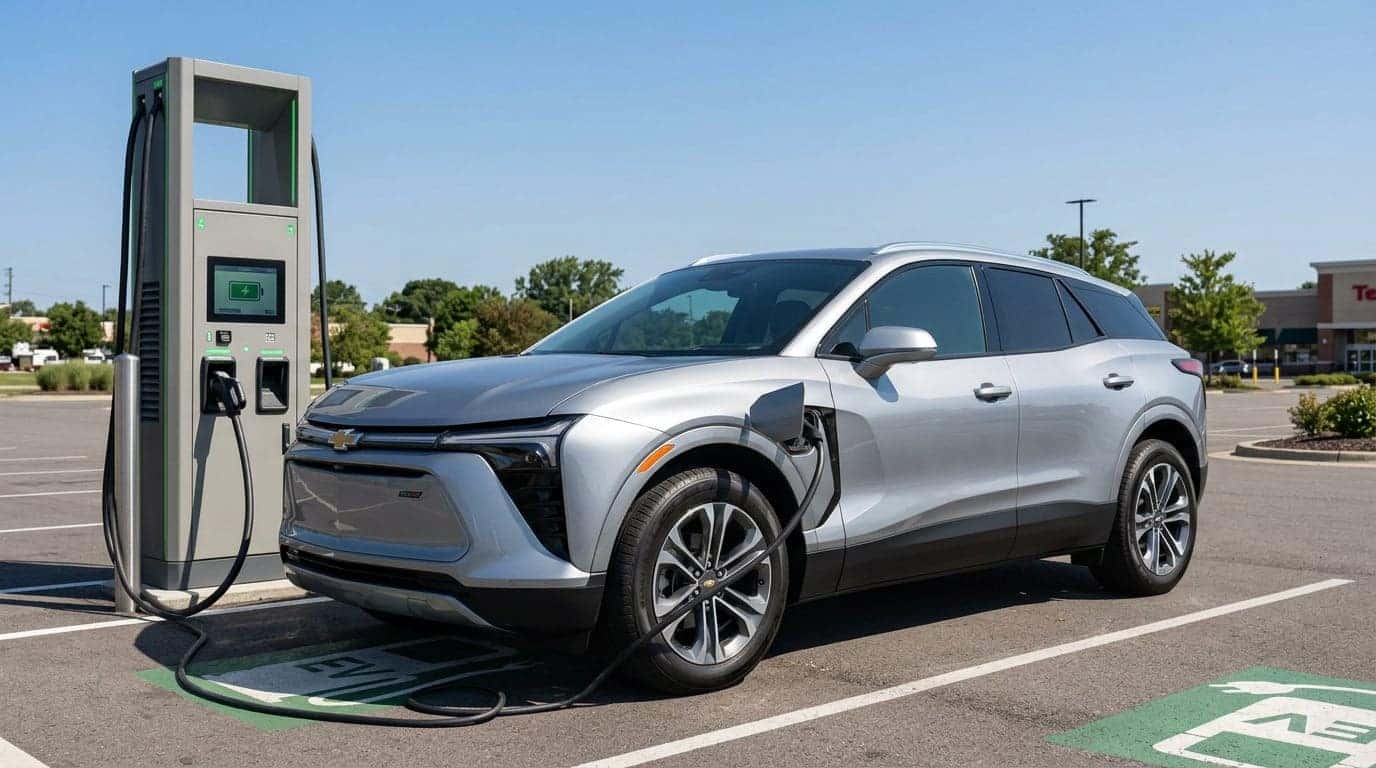
The 2027 Chevrolet Blazer EV delivers an EPA-estimated range of up to 334 miles depending on drive configuration, outpacing the 2026 Hyundai Ioniq 5, which reaches an EPA-estimated 318 miles on single-motor rear-wheel-drive models. Front-wheel-drive LT FWD and RS FWD variants of the Chevrolet Blazer EV achieve up to 312 miles of driving range, while all-wheel-drive configurations like the RS AWD offer an EPA-estimated 283 miles on a full charge. The high-performance SS AWD trim delivers an impressive 302 miles of electric range.
Real-world electric driving range varies based on ambient temperatures, speed, driving habits, and regional topography. Drivers navigating the elevated Sand Mountain plateau near Albertville will find that the Chevrolet Blazer EV retains strong energy efficiency across rolling hills and mixed highway routes. Regenerative braking systems allow drivers to capture energy during downhill descents, feeding power back into the lithium-ion battery pack. One-pedal driving modes further maximize energy recovery during daily stop-and-go travel.
Our advisors frequently observe that buyers comparing midsize electric crossovers ask about real-world highway range before looking at horsepower specs. Chevrolet engineered the Ultium platform to optimize battery cell layout and thermal management, preserving battery life during high-speed travel. For drivers looking to map out regional commutes or schedule a hands-on vehicle walkaround, our sales team at Guntersville Chevrolet is available by giving us a quick call or dropping a pin to our showroom location.
Table of Contents
- What Are the 2027 Chevrolet Blazer EV Starting Prices, Drivetrain Range Options, and Charging Port Updates?
- How Do Battery Pack Sizes, Horsepower Ratings, and DC Fast Charging Speeds Compare?
- How Do Cargo Capacity and Interior Dimensions Compare Between the Blazer EV and Ioniq 5?
- Does GM Super Cruise Require a Subscription, and How Does Towing Affect EV Range?
- Are Federal Tax Credits Currently Available for Purchasing These Electric SUVs?
- Common Questions About the 2027 Chevrolet Blazer EV and 2026 Hyundai Ioniq 5
What Are the 2027 Chevrolet Blazer EV Starting Prices, Drivetrain Range Options, and Charging Port Updates?
The 2027 Chevrolet Blazer EV carries a starting base MSRP of $45,000 for the entry-level LT FWD trim, with all-wheel-drive LT AWD models priced at $48,000 base MSRP. Mid-tier sporty options include the RS FWD at $50,800 base MSRP and the RS AWD at $53,800 base MSRP, while the range-topping SS AWD comes in at $60,700 base MSRP, each subject to a $1,795 destination charge. Fleet-specific configurations include the Detective Police Package 9C3 Fleet AWD at $56,200 base MSRP and the Marked Police Package 9C1 Fleet AWD at $56,500 base MSRP.
A major update for the 2027 model year is the inclusion of a factory-integrated North American Charging Standard (NACS) port. This native charging port allows owners to connect directly to the Tesla Supercharger network across the country without requiring a separate physical adapter. Standard equipment across all trims includes a dual-level charge cord compatible with both 120-volt Level 1 household outlets and 240-volt Level 2 charging setups.
- LT FWD: Base MSRP $45,000 | EPA-estimated 312 miles range
- LT AWD: Base MSRP $48,000 | EPA-estimated 283 miles range
- RS FWD: Base MSRP $50,800 | EPA-estimated 312 miles range
- RS AWD: Base MSRP $53,800 | EPA-estimated 283 miles range
- SS AWD: Base MSRP $60,700 | EPA-estimated 302 miles range
Choosing between front-wheel drive and all-wheel drive depends on personal performance and range priorities. Front-wheel-drive variants maximize total mileage for long-distance commuters, whereas dual-motor all-wheel-drive trims provide enhanced traction during wet or slippery weather. Shoppers can explore our new Chevrolet Blazer EV inventory to review available trim levels, or visit the official GM parts catalog to view charging hardware and wall-connector accessories.
Pricing
Pricing by trim
| Trim | Base MSRP | Destination charge |
|---|---|---|
| Detective Police Package 9C3 Fleet AWD | $56,200 | $1,795 |
| LT AWD | $48,000 | $1,795 |
| LT FWD | $45,000 | $1,795 |
| Marked Police Package 9C1 Fleet AWD | $56,500 | $1,795 |
| RS AWD | $53,800 | $1,795 |
| RS FWD | $50,800 | $1,795 |
| SS AWD | $60,700 | $1,795 |
Engine & Performance
Powertrain specs by trim
| Trim | Horsepower | Torque | Transmission | Drivetrain |
|---|---|---|---|---|
| Detective Police Package 9C3 Fleet AWD | 340 hp | 325 lb-ft | automatic 1-speed | All-wheel drive |
| LT AWD | 288 hp | 333 lb-ft | automatic 1-speed | All-wheel drive |
| LT FWD | 288 hp | 333 lb-ft | automatic 1-speed | Front-wheel drive |
| Marked Police Package 9C1 Fleet AWD | 340 hp | 325 lb-ft | automatic 1-speed | All-wheel drive |
| RS AWD | 288 hp | 333 lb-ft | automatic 1-speed | All-wheel drive |
| RS FWD | 288 hp | 333 lb-ft | automatic 1-speed | Front-wheel drive |
| SS AWD | 340 hp | 325 lb-ft | automatic 1-speed | All-wheel drive |
How Do Battery Pack Sizes, Horsepower Ratings, and DC Fast Charging Speeds Compare?
The 2027 Chevrolet Blazer EV offers battery pack options sizing up to 102 kWh, out scaling the 2026 Hyundai Ioniq 5 and its 84 kWh Long Range battery pack. Single-motor front-wheel-drive Blazer EV models deliver 288 hp and 333 lb-ft of torque via an automatic 1-speed transmission, matching the power output of standard dual-motor LT AWD and RS AWD variants. The high-performance SS AWD model elevates performance significantly, outputting 340 hp standard with up to 595 hp and 645 lb-ft of torque when engaging Wide Open Watts mode. By comparison, standard Hyundai Ioniq 5 models range from 225 hp in single-motor RWD trim up to 320 hp in dual-motor AWD trim.
When connected to a DC fast charger, the Chevrolet Blazer EV supports charging speeds of up to 190 kW. This fast-charging capacity can restore approximately 78 miles of range in roughly 10 minutes under optimal battery temperature conditions. The Hyundai Ioniq 5 utilizes an 800-volt electrical architecture that enables a 10% to 80% DC fast-charge in approximately 18 minutes at 350 kW stations.
- Battery Capacity: Chevrolet Blazer EV offers up to 102 kWh versus the Hyundai Ioniq 5 maximum of 84 kWh.
- Horsepower Output: Standard Blazer EV trims generate 288 hp, while the SS AWD reaches 340 hp standard and up to 595 hp in performance mode.
- Peak Fast Charging: Chevrolet Blazer EV accepts up to 190 kW DC fast-charging power.
Drivers taking weekend excursions toward the Coosa River waterways near Rainbow City benefit from the Blazer EV’s substantial battery reserve, ensuring extra confidence when traveling off primary highway corridors. To review additional vehicle options, customers can browse our pre-owned vehicle inventory or select protective interior liners through our official Chevrolet accessories store.
Fuel Economy
Fuel economy and range by trim
| Trim | MPG | EV range | Battery (kWh) |
|---|---|---|---|
| Detective Police Package 9C3 Fleet AWD | 92 city / 77 hwy / 85 combined | 286 mi | 102 |
| LT AWD | 102 city / 87 hwy / 94 combined | 283 mi | 85 |
| LT FWD | 114 city / 95 hwy / 104 combined | 312 mi | 85 |
| Marked Police Package 9C1 Fleet AWD | 92 city / 77 hwy / 85 combined | 286 mi | 102 |
| RS AWD | 102 city / 87 hwy / 94 combined | 283 mi | 85 |
| RS FWD | 114 city / 95 hwy / 104 combined | 312 mi | 85 |
| SS AWD | 92 city / 77 hwy / 85 combined | 302 mi | 102 |
How Do Cargo Capacity and Interior Dimensions Compare Between the Blazer EV and Ioniq 5?
The 2027 Chevrolet Blazer EV offers about 26 cubic feet of dedicated cargo space behind the second-row seats, expanding to roughly 59 cubic feet of maximum volume when the 60/40 split-folding rear seats are lowered flat. The 2026 Hyundai Ioniq 5 provides 27 cubic feet behind its rear seats and up to 59 cubic feet in total folding capacity. While both electric midsize crossovers share comparable total cargo numbers, the Blazer EV features a wider load floor and broader rear tailgate aperture, making it easier to slide in wide equipment boxes, sports gear, or bulky luggage.
Passenger space inside the Chevrolet Blazer EV is engineered for generous adult legroom and headroom across both seating rows. Built upon a long 121.8-inch wheelbase, the cabin provides 39 inches of rear legroom, allowing rear passengers to stretch out comfortably on extended highway trips. Wide door openings and an accessible step-in height make entry and exit straightforward for passengers of all ages, while simplified ISOFIX anchor access allows for smooth child safety seat installation.
- Blazer EV Rear Cargo Space: About 26 cubic feet (seats up) / roughly 59 cubic feet (seats folded)
- Ioniq 5 Rear Cargo Space: About 27 cubic feet (seats up) / roughly 59 cubic feet (seats folded)
- Blazer EV Rear Legroom: 39 inches
- Infotainment Interface: Standard 17.7-inch central touchscreen with Google Built-In and an 11.0-inch driver information display
In-cabin technology centers around a massive 17.7-inch diagonal infotainment touchscreen angled slightly toward the driver, complemented by an 11.0-inch digital instrument cluster. The system features Google Built-In navigation, native media applications, and responsive voice commands. Physical climate control knobs and a dedicated volume dial remain on the dashboard for intuitive operation without menu diving. Families seeking late-model utility can also check out our certified pre-owned inventory for thoroughly inspected electric and gasoline crossover choices.
Dimensions & Capacity
Capacity and dimensions by trim
| Feature | Detective Police Package 9C3 Fleet AWD | LT AWD | LT FWD | Marked Police Package 9C1 Fleet AWD | RS AWD | RS FWD |
|---|---|---|---|---|---|---|
| Seating | 5 | 5 | 5 | 5 | 5 | 5 |
| Cargo | 25.5 cu ft | 25.5 cu ft | 25.5 cu ft | 25.5 cu ft | 25.5 cu ft | 25.5 cu ft |
| Curb weight | 5,870 lbs | 5,163 lbs | 5,009 lbs | 5,870 lbs | 5,236 lbs | 5,084 lbs |
| Towing | 3,500 lbs | 1,500 lbs | 1,500 lbs | 3,500 lbs | 1,500 lbs | 1,500 lbs |
| Payload | 1,075 lbs | 1,341 lbs | 1,274 lbs | 1,075 lbs | 1,268 lbs | 1,199 lbs |
Dimensions & Capacity (continued)
| Feature | SS AWD |
|---|---|
| Seating | 5 |
| Cargo | 25.5 cu ft |
| Curb weight | 5,730 lbs |
| Towing | — |
| Payload | 1,104 lbs |
Does GM Super Cruise Require a Subscription, and How Does Towing Affect EV Range?
GM Super Cruise hands-free driver assistance technology is available on select trims of the 2027 Chevrolet Blazer EV, utilizing precision LiDAR map data, real-time cameras, and radar sensors to enable hands-free steering, acceleration, and braking on compatible highways. Super Cruise includes an initial trial period upon new vehicle purchase, after which an active OnStar connected service plan subscription is required to maintain hands-free functionality and continuous map updates.
Towing a trailer or hauling heavy cargo with an electric vehicle impacts total driving range. The 2027 Chevrolet Blazer EV features a maximum towing capacity of up to 3,500 lbs when properly equipped. Pulling heavy loads or high-profile trailers increases aerodynamic drag and energy consumption, which typically reduces electric driving range by 30% to 50% compared to unladen highway driving.
- Super Cruise Requirement: Subscription to an OnStar connected service plan required after the initial trial period expires.
- Maximum Towing Rating: Up to 3,500 lbs towing capacity on properly equipped models.
- Range Impact When Towing: Range decreases by roughly 30% to 50% depending on trailer weight, frontal area, and road speed.
- Home Level 2 Charging: Installing a 240-volt charging station delivers a full battery charge overnight.
Managing routine EV maintenance, tire rotations, and multi-point inspections keeps your electric drivetrain operating at peak efficiency. Owners can easily schedule a service appointment online with our factory-trained service technicians.
Are Federal Tax Credits Currently Available for Purchasing These Electric SUVs?
Federal clean vehicle tax credits under IRC §30D for new electric vehicles were terminated by Public Law 119-21 for vehicles acquired after September 30, 2025. Consequently, buyers purchasing a new 2027 Chevrolet Blazer EV or 2026 Hyundai Ioniq 5 today are not eligible for a federal EV tax credit. The only exception applies to buyers who entered into a binding written purchase contract and made an initial qualifying payment on or before September 30, 2025, prior to placing the vehicle in service.
Purchasing or leasing an electric crossover remains straightforward when working with transparent dealership financing tools. Our finance team works directly with regional and national lending institutions to secure competitive interest rates and flexible loan terms tailored to your household budget.
To begin the vehicle acquisition process from home, buyers can submit an online credit application to secure pre-approval terms. Additionally, vehicle owners looking to trade in their current car can easily value your trade-in online to receive an estimated trade valuation toward the purchase of a new Chevrolet EV.
Common Questions About the 2027 Chevrolet Blazer EV and 2026 Hyundai Ioniq 5
Q: How does cold weather affect the real-world battery range of the Blazer EV?
Cold ambient temperatures temporarily reduce electric vehicle battery efficiency due to increased internal resistance and cabin heating demands. In moderate four-season climates, drivers can expect a temporary range reduction of roughly 15% to 25% on chilly winter days. Utilizing cabin pre-conditioning while the vehicle is still plugged into a Level 2 home charger preserves battery energy before you start your drive.
Q: Can the 2027 Chevrolet Blazer EV charge at Tesla Supercharger stations without an adapter?
Yes, the 2027 Chevrolet Blazer EV comes equipped with a native NACS charging port installed directly from the factory. This allows owners to plug directly into compatible Tesla Supercharger stations across North America without needing a separate physical NACS-to-CCS adapter.
Q: What home charging equipment is needed for overnight charging with the Blazer EV?
The Blazer EV comes standard with a dual-level charge cord that supports standard 120-volt Level 1 outlets and 240-volt Level 2 outlets. For optimal charging performance, installing a dedicated 240-volt Level 2 home wall charger on a 40-amp or 50-amp circuit allows you to fully replenish the battery pack overnight in roughly 8 to 10 hours.
Q: What driver-assist safety systems come standard on the 2027 Blazer EV?
Every 2027 Chevrolet Blazer EV comes standard with Chevrolet Safety Assist. Standard safety features include Automated Emergency Braking, Front Pedestrian Braking, Lane Keep Assist with Lane Departure Warning, Forward Collision Alert, Following Distance Indicator, and IntelliBeam automatic high beams.
Q: How does the Guntersville Advantage simplify the online EV purchasing process?
The Guntersville Advantage allows car buyers to customize their entire vehicle purchase online from a home computer, tablet, or smartphone. Shoppers can explore current inventory, structure customized finance payments, evaluate trade-in values, and arrange test drives on their own schedule.
For additional information on new electric crossovers or to arrange a test drive, contact our sales team at (256) 578-9170, stop by 11982 US, suite c, Guntersville, AL 35976, or learn about our community awareness initiatives online today.
0 comment(s) so far on What Is the Estimated Driving Range of the 2027 Chevrolet Blazer EV Compared to the 2026 Hyundai Ioniq 5?